
The History of Bicester: From Roman Fort to Market Town
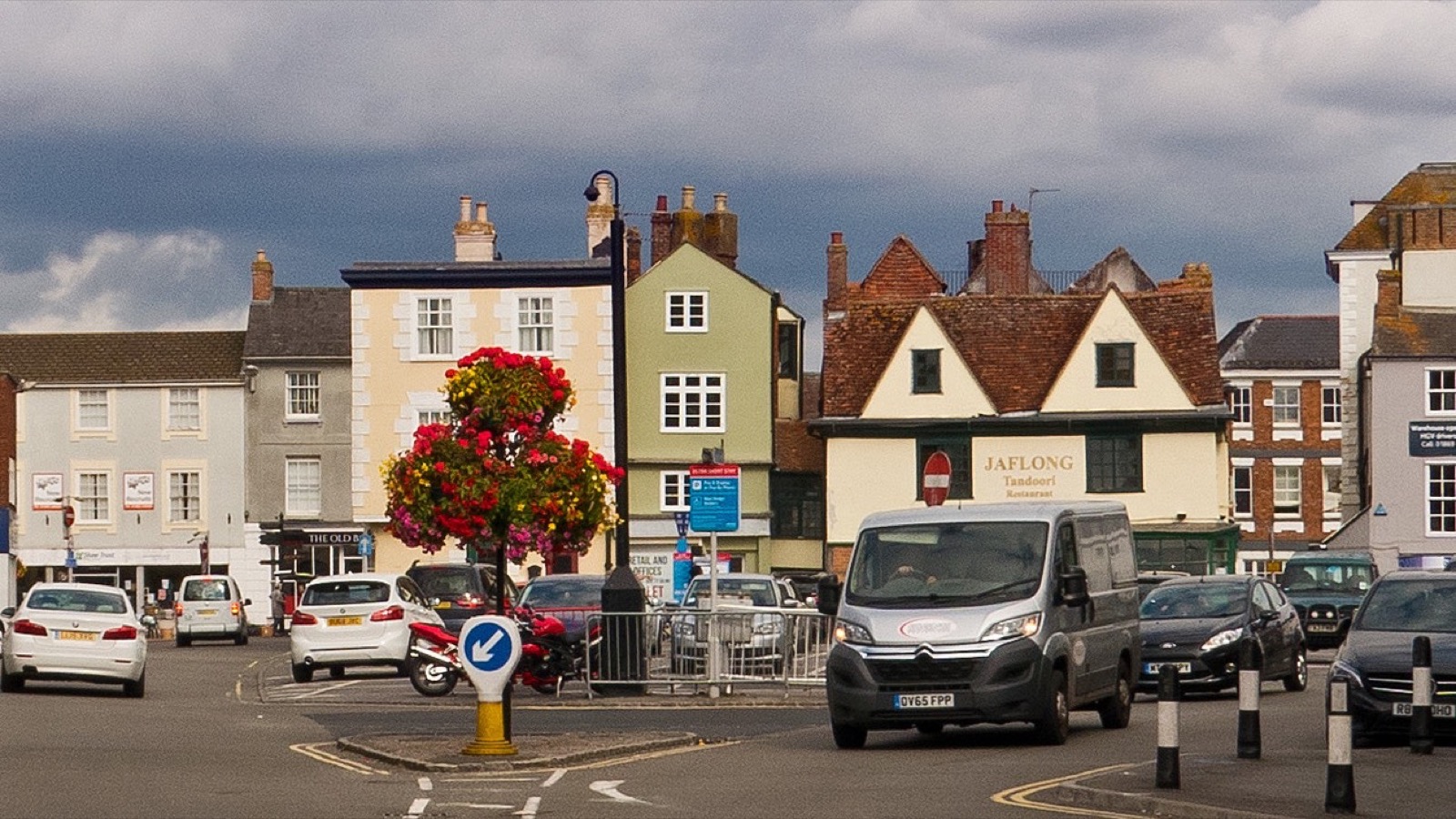
Historic gabled and Georgian frontages along Market Square in Bicester, photographed in September 2019. Credit: Roger A Smith. CC BY-SA 2.0.
Have an authentic photo of this place to share? Share it with HelloBicester. Published contributions receive full photographer credit.
When walking down Sheep Street on a Friday morning, you step past timber-framed shop fronts, Victorian stone facades, and market stalls selling fresh bread. It is natural to take these surroundings for granted as you run weekend errands or grab a morning coffee. Beneath the modern paving of Market Square lies two thousand years of continuous human settlement. From Roman legionary outposts to medieval monastic pilgrimage routes, the history of Bicester reveals how a quiet Oxfordshire agricultural settlement transformed into a thriving market town. You will find that every corner of the town centre holds tangible evidence of this deep historical timeline.
TL;DR: History of Bicester
- What this post covers: The complete history of Bicester, from the Roman garrison at Alchester to Saxon minsters, medieval market charters, Victorian railways, and 20th-century aviation.
- Why it matters to Bicester residents now: Understanding local heritage explains why our streets are shaped the way they are, from the triangular Market Square to the preserved airfield perimeter.
- The key highlight or finding: King Henry III granted Bicester its original market charter in 1239, establishing eight centuries of continuous commercial trade.
- What practical information they will get: Key historical dates, architectural features you can view today, and walking locations across the town centre.
- A single immediate action they can take: Follow our self-guided Bicester heritage trail starting from St Edburg’s Church, heading down Church Street to Market Square and Garth Park.
How Did Roman Alchester Shape the Origin of Bicester?
The true origin of Bicester begins two miles south of the modern town centre at Alchester. Established in AD 43 during the early stages of the Roman invasion under Emperor Claudius, Alchester served as an important legionary fortress. Roman engineers selected this location because it sat at the strategic intersection of major military roads, including Akeman Street connecting Verulamium (St Albans) with Corinium (Cirencester). Archaeological excavations carried out by Oxford University have uncovered wooden gateposts, defensive ditches, and stone military parade grounds dating from AD 44.
As military operations shifted northwards, Alchester evolved into a walled civilian town with stone townhouses, granaries, and public bathhouses. The settlement thrived for over three centuries, housing soldiers, merchants, and stonemasons. By the 5th century, as Roman imperial administration collapsed across Britain, residents gradually abandoned Alchester. The ruined stone walls provided materials for early Anglo-Saxon settlers who chose higher, drier ground two miles to the north. That new site along the River Bure became the foundation of modern Bicester. Today, you can still walk along the public footpaths near Wendlebury to view the earthworks of the Roman fort, as detailed in our guide to Alchester Roman town.
What Are the Saxon and Medieval Roots of Bicester?
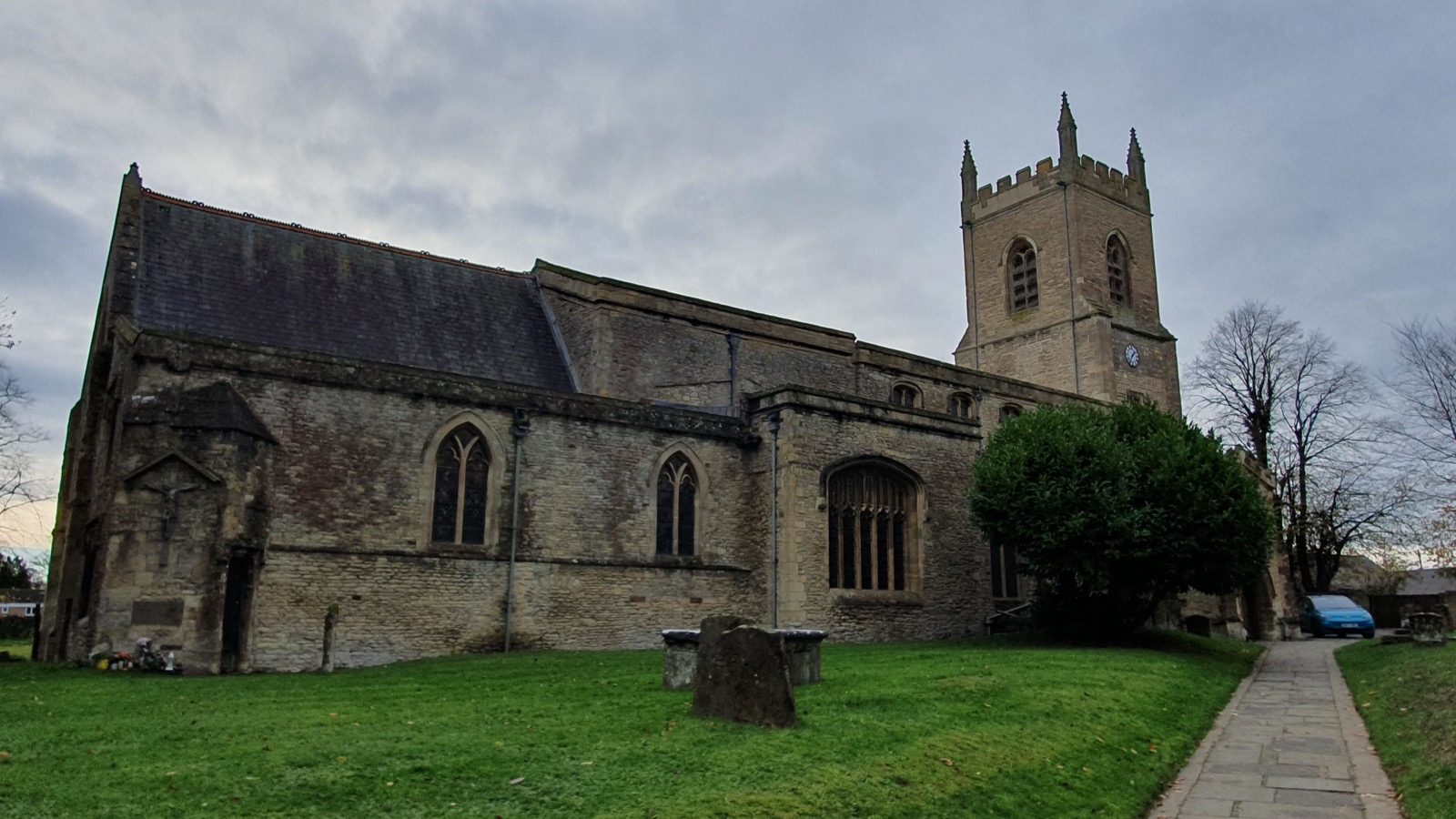
Anglo-Saxon settlers established a permanent village here during the 6th and 7th centuries, naming it Berencestre, meaning Beorna’s fortified place. Around AD 635, King Cynegils of Wessex converted to Christianity under the guidance of Saint Birinus, leading to the construction of a Saxon minster church. That early place of worship stood on the exact site occupied today by St Edburg’s Church. Dedicated to Saint Edburg of Bicester, a 7th-century Saxon princess, the church became a central place of spiritual devotion. If you examine the north wall of the nave inside St Edburg’s, you will see a triangular-headed stone archway, which historians identify as a surviving fragment of original Saxon masonry.

The Norman Conquest of 1066 brought sweeping administrative changes to Bicester. The Domesday Book of 1086 records Bicester as a manor held by Robert d’Oyly, who also constructed Oxford Castle. In 1182, the Norman Lord of the Manor, Gilbert de Basset, founded an Augustinian Priory dedicated to Saint Edburg and Saint Mary. The priory stood near present-day Priory Lane and Chapel Street, housing monks who tended gardens, managed fishponds, and hosted visiting pilgrims. You can explore the fascinating story of these medieval monks in our guide to Bicester Priory history.
A landmark turning point occurred in 1239 when King Henry III granted a royal market charter to William Longespée, Earl of Salisbury, who had married into the Basset family. This charter gave Bicester the legal right to hold a weekly market on Tuesdays, establishing Market Square as the commercial heart of the area. Blacksmiths, weavers, butchers, and wool merchants set up permanent stalls around the triangular square. You can read more about how trade developed over the centuries in our detailed guide to Bicester’s Market Square history. The priory continued to flourish until 1536, when King Henry VIII ordered the Dissolution of the Monasteries, leading to the demolition of the priory buildings and the distribution of its lands to local gentry.
How Did the Railways and Aviation Change Bicester in the 19th and 20th Centuries?
Throughout the 17th and 18th centuries, Bicester maintained its character as a quiet market town famous for sheep farming, lace making, leather tanning, and malting. You can explore how local coaching inns hosted travellers and mail routes in our guide to the historic pubs of Bicester. The arrival of steam transport in the mid-19th century fundamentally altered the local economy. In 1850, the Buckinghamshire Railway opened Bicester Town station (now Bicester Village station), providing direct rail connections to Oxford, Cambridge, and London. One year later, in 1851, the Great Western Railway opened Bicester North station. These railway links allowed local farmers to send livestock and dairy produce directly to London markets within hours, spurring rapid economic growth.
Victorian prosperity left a lasting architectural mark across Bicester. In 1840, Richard Falshaw constructed Garth House, an elegant gothic-style country house surrounded by private gardens off Launton Road. Today, that estate forms Garth Park, which houses the Bicester Town Council offices and provides public parkland for local families. You can discover the full story of this Victorian residence in our historical guide to Garth House and Garth Park.
The 20th century introduced military aviation and major defense installations to Bicester’s landscape. In 1916, during the First World War, the Royal Flying Corps established a military airfield on grass fields north of the town. During the 1920s, the Air Ministry rebuilt the site into a permanent RAF Bomber Command station based on the architectural designs of Archibald Bickerton. During the Second World War, RAF Bicester served as a vital operational training unit, while the construction of COD Bicester at Graven Hill turned the town into a crucial logistics hub for D-Day. You can read the full story of wartime evacuees and logistics in our feature on Bicester WW2 history. Today, the airfield is recognized by Historic England as the most complete interwar military station in Britain, transformed into Bicester Motion for historic automotive engineering. You can explore this aviation heritage in our feature on RAF Bicester history.
Bicester Historical Timeline: Key Dates to Remember
To help you trace the historical timeline of Bicester, here is a breakdown of major historical milestones that shaped the town across two millennia:
| Date / Period | Historical Event | Visible Legacy Today |
|---|---|---|
| AD 43–44 | Roman fortress founded at Alchester | Earthworks visible near Wendlebury footpaths |
| c. AD 635 | Saxon minster church established | Saxon triangular arch in St Edburg’s nave |
| 1086 | Manor recorded in Domesday Book | Historic field boundaries around King’s End |
| 1182 | Augustinian Priory founded by Gilbert de Basset | Priory Lane street name and stone foundations |
| 1239 | Royal Market Charter granted by King Henry III | Triangular layout of Market Square |
| 1536 | Dissolution of Bicester Priory | Grade I listed parish church of St Edburg |
| 1840 | Garth House constructed by Richard Falshaw | Garth Park public gardens and council office |
| 1850 | Buckinghamshire Railway reaches Bicester | Bicester Village rail station connection |
| 1916 | Royal Flying Corps airfield opened | Bicester Motion airfield and 1930s hangars |
| 1995 | Bicester Village outlet center opens | Global shopping destination near town center |
Bicester Heritage Walk Playbook
If you want to experience the history of Bicester firsthand, use this practical local playbook based on your personal walking preferences:
- If you are exploring with young children or double prams: Start at Garth Park off Launton Road. The paved paths around Garth House are completely flat, accessible for pushchairs, and feature a modern play park alongside historic garden trees.
- If you are interested in ancient architecture and Saxon stonework: Visit St Edburg’s Church on Church Street. Take time to walk around the interior to locate the Saxon arch in the north nave, the 14th-century decorative screens, and the peaceful churchyard gardens.
- If you want to experience traditional local trade: Walk down Sheep Street into Market Square on a Friday morning. You will see 800-year-old trading traditions continuing in the shadow of historic 16th and 18th-century timber-framed buildings.
- If you are a military aviation or classic car enthusiast: Head north along Buckingham Road to Bicester Motion. Book tickets for a quarterly Bicester Heritage Scramble event to walk among 1930s brick hangars and vintage aircraft.
What Is the Legacy of Bicester’s Rich Past Today?
The history of Bicester demonstrates how centuries of Roman military strategy, Saxon devotion, medieval commerce, and 20th-century innovation created the distinctive town we enjoy today. To meet the key historical figures who built these landmarks, read our guide to famous people from Bicester. As Bicester expands with modern eco-friendly developments like Elmsbrook and Graven Hill, its historic core around Market Square and Sheep Street remains a protected conservation area celebrating eight hundred years of Oxfordshire heritage.
For your next local excursion, explore our self-guided walking route in the Bicester heritage trail guide to discover hidden medieval doorways and historic boundary markers across town.