
Bicester's Market Square: 800 Years of Trade and Tradition
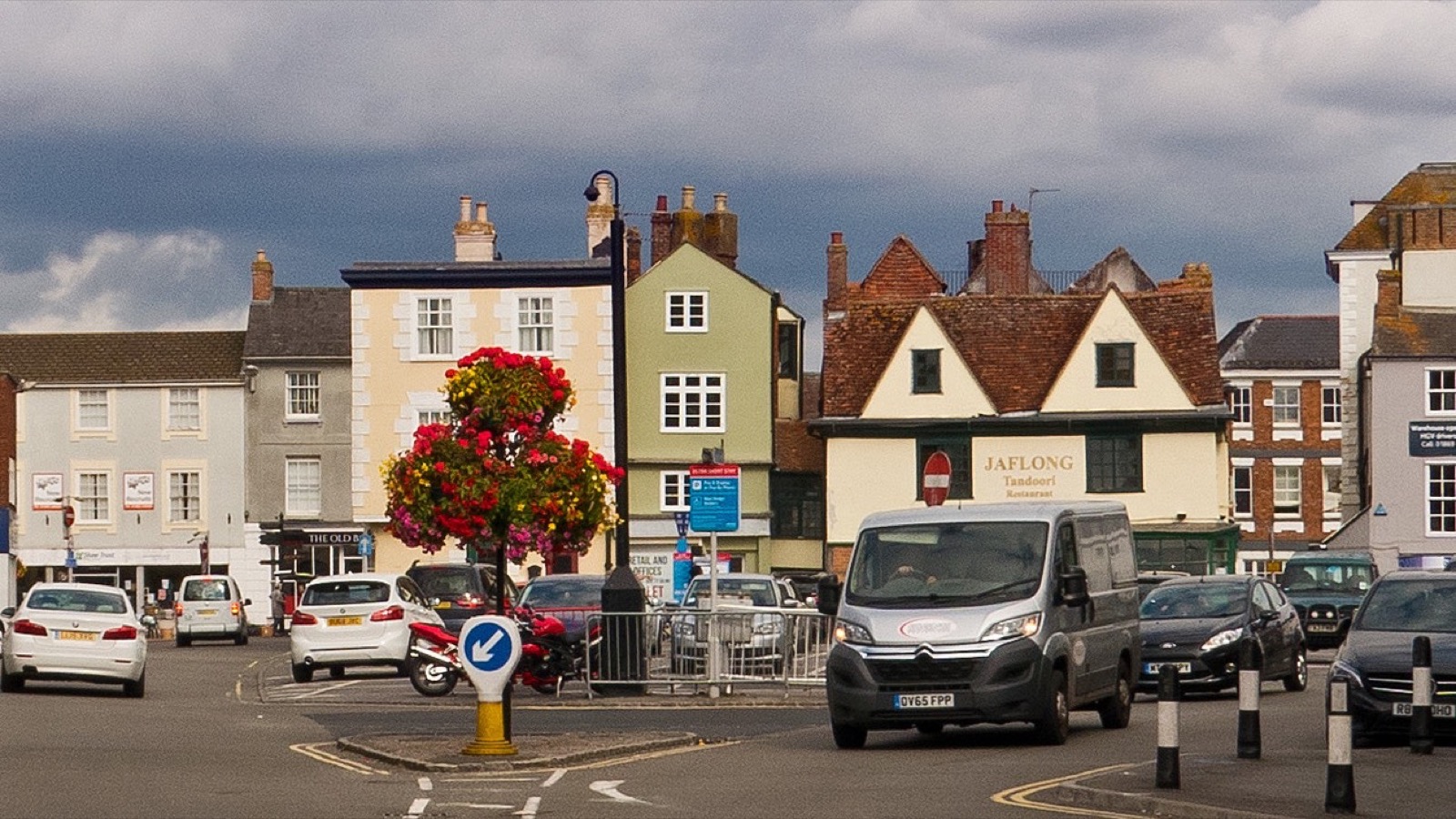
Historic gabled and Georgian frontages along Market Square in Bicester, photographed in September 2019. Credit: Roger A Smith. CC BY-SA 2.0.
Have an authentic photo of this place to share? Share it with HelloBicester. Published contributions receive full photographer credit.
If you walk through the historic town centre on a Friday morning, you will hear the calling of market traders and smell hot food from the stalls. This open space has served as the social and commercial focus for local residents for generations. Today, hundreds of people cross the stones of Market Square to visit independent cafes, banks, and shops, perhaps without reflecting on the centuries of trade beneath their feet. The triangular layout of this central area has witnessed everything from royal medieval charters to busy Victorian cattle auctions. Understanding this history helps us appreciate why Bicester remains a classic Oxfordshire market town.
TL;DR: Market Square History
- What this post covers: The 800-year history of Bicester’s Market Square, from its medieval royal charter to modern commerce.
- Why it matters to Bicester residents now: The square remains the physical heart of the town centre and a designated conservation area.
- The key highlight or finding: King Henry III granted the original weekly market charter in 1239 to William Longespée.
- What practical information they will get: Details of surviving historic buildings, architectural features to spot, and active local markets.
- A single immediate action they can take: Visit the square on the second Thursday of the month to experience the monthly Bicester Farmers’ Market.
Why Is Bicester’s Market Square Shaped Like a Triangle?
The unique triangular footprint of Market Square is not an accident of modern town planning. It is a direct survival of medieval design, which was specifically funnel-shaped to assist in managing livestock and trade. In the centuries before town walls or modern fencing, the wide entrance narrowing to a point allowed traders to control herds of sheep and cattle easily. This layout also provided a defensive advantage, helping residents secure the central commercial zone if the settlement was threatened. As you walk through the area today, you can see how this historic layout still dictates the flow of pedestrians and traffic.
The buildings that line the square were built on long, narrow plots known as burgage tenements. These plots stretched back from the street frontages, maximizing the number of traders who could access the busy market area. Because frontage space on the square was highly valuable, the buildings were constructed close together, creating the dense streetscape we see today. Several of the properties behind these facades still retain their long, narrow gardens and outbuildings, which originally housed workshops, stables, or warehouses. This medieval property layout has dictated the shape and size of modern shops in the town centre for eight centuries.
Who Granted the Royal Charter for Bicester’s Weekly Market?
Bicester’s official status as a market hub was secured in 1239 when King Henry III granted a royal market charter. The recipient was William Longespée, the Norman lord of the manor who oversaw the development of the local economy. This charter gave Bicester the legal right to hold a weekly market, bringing trade from surrounding villages. The Bassett family, who founded St Edburg’s Church and Bicester Priory, had already established the foundations of the town’s religious and civic life, but the 1239 charter established its commercial future. This legal privilege transformed the small agricultural settlement into a prosperous trading hub for the whole of Cherwell.
Over the years, the square was modified to accommodate different civic and economic functions. A historic town hall and a market hall once stood in the centre of the space, alongside the Shambles, which was the medieval name for the meat market. The square also housed the town stocks and a whipping post, where local lawbreakers faced public punishment. These structures were the focus of daily gossip, trade negotiations, and civic announcements. During the twentieth century, these older structures were cleared to create a more open space for vehicles and pedestrians, but the legacy of the medieval charter remains active in the Friday market tradition.
What Historic Buildings and Features Can You Spot Today?
If you look above the modern shopfronts, you can spot several listed buildings that reflect Bicester’s architectural history. One of the most striking structures is Number 47 Market Square, which was constructed in 1698. This former merchant’s house features oval windows positioned under a distinctive turret, a ball pinnacle, and a weather vane showing a running fox. This building stands as a clear indicator of the wealth that agricultural trade brought to Bicester during the late seventeenth century. The running fox weather vane remains one of the most photographed historical details in the town centre.
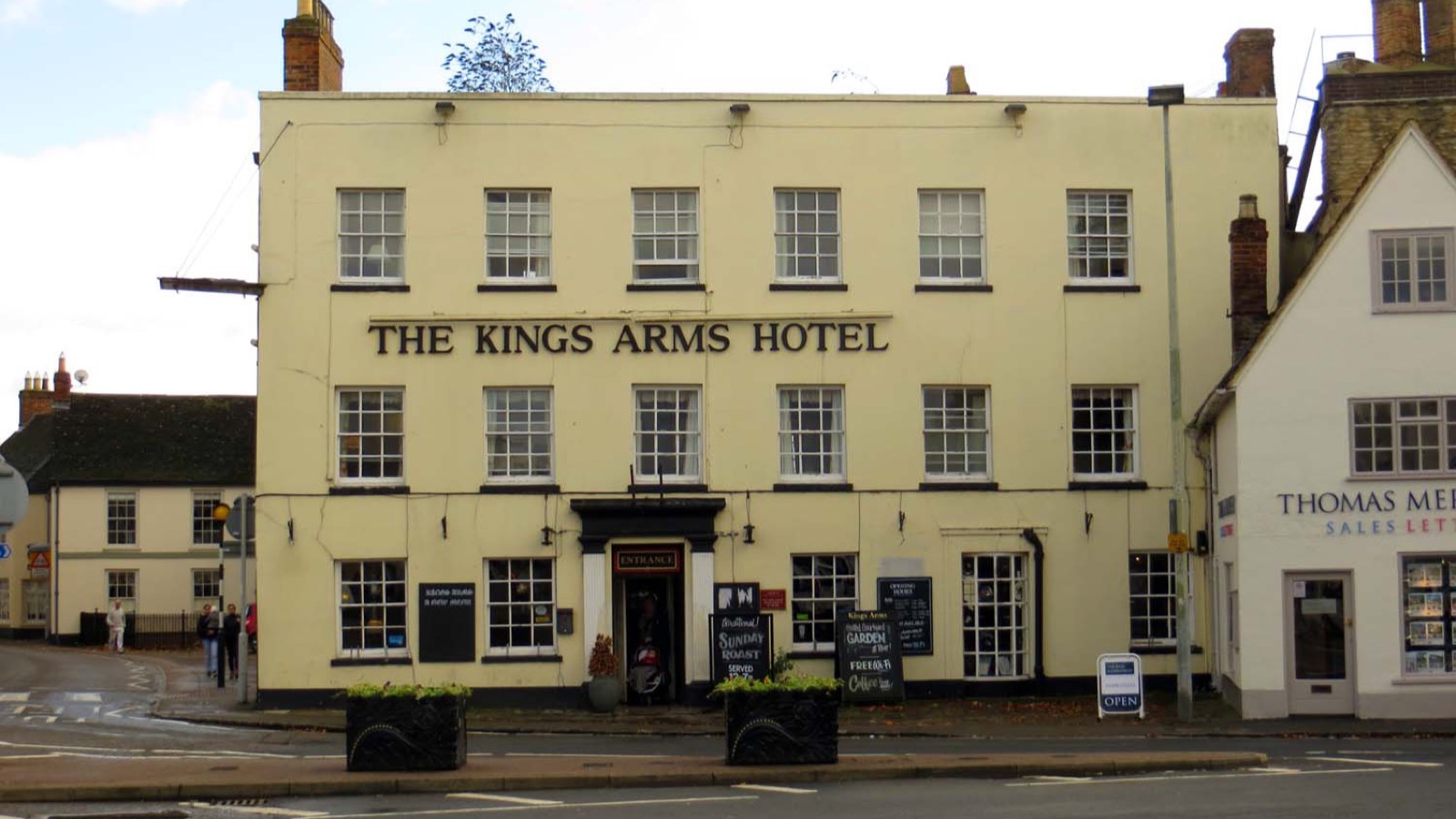
Nearby, you will find the “Island Block” which includes Numbers 46, 48, and 51 Market Square. These properties date from the late sixteenth to the eighteenth centuries, showing a mixture of timber-framed and brick construction. Number 51 features a rare six-light window from the early eighteenth century, revealing its long history as a retail shop. Across the square at Number 17 is the building that formerly housed Jagger’s Veterinary Shoeing Forge. This seventeenth-century timber-framed building retains a cobbled path leading to the rear yard, where blacksmiths once shod horses. Another notable site is Number 28, which operated as The Swan Inn during the mid-eighteenth century before its frontage was rebuilt with brick in 1800. You can learn more about coaching inns and old taverns in our guide to the historic pubs around Market Square.
How Has Bicester’s Market Evolved Over the Centuries?
For hundreds of years, the market in the square was the primary source of food, household goods, and livestock for the local population. As the wool trade expanded, the livestock markets grew too large for the square itself, leading to the use of nearby Sheep Street for trading animals. The noise and mess of cattle and sheep sales eventually led to changes in the town centre. In 1910, a purpose-built auction yard was opened on Victoria Road, removing livestock trading from the main streets. This change allowed the town centre to develop into a cleaner, more modern shopping district.
Today, Bicester continues to function as an active market town. While the weekly Friday market guide highlights the modern stalls on Sheep Street, the Market Square still hosts the monthly gathering covered in our Bicester Farmers Market guide on the second Thursday of every month. This event brings food producers from within a 30-mile radius directly to the historic centre. The local council is also working on the Market Square Enhancement Project, which aims to improve the public space for pedestrians while respecting its history. This ongoing project aims to balance historical conservation with the needs of modern businesses and shoppers, ensuring the space remains useful. The council offices themselves are located in the historic Garth House Victorian estate nearby, which also serves the public.
A Visitor’s Guide to Exploring Bicester’s History
- If you are interested in architecture: Look up to spot the turret, weather vane, and ball pinnacle at Number 47, and the early eighteenth-century six-light window at Number 51.
- If you want to experience the traditional market: Visit the high street on a Friday between 9:00am and 4:30pm when the weekly market is active.
- If you are looking for local history archives: Visit the Bicester Local History Society online or follow our self-guided Bicester heritage trail to explore historical markers.
Preserving Bicester’s Heritage
Supporting our historic town centre businesses keeps the legacy of the medieval market charter alive for future generations.
In our next guide, we will explore the weekly Friday market guide on Sheep Street to help you find the best local produce.