
A Brief History of St Edburg's Church: Bicester's Oldest Building
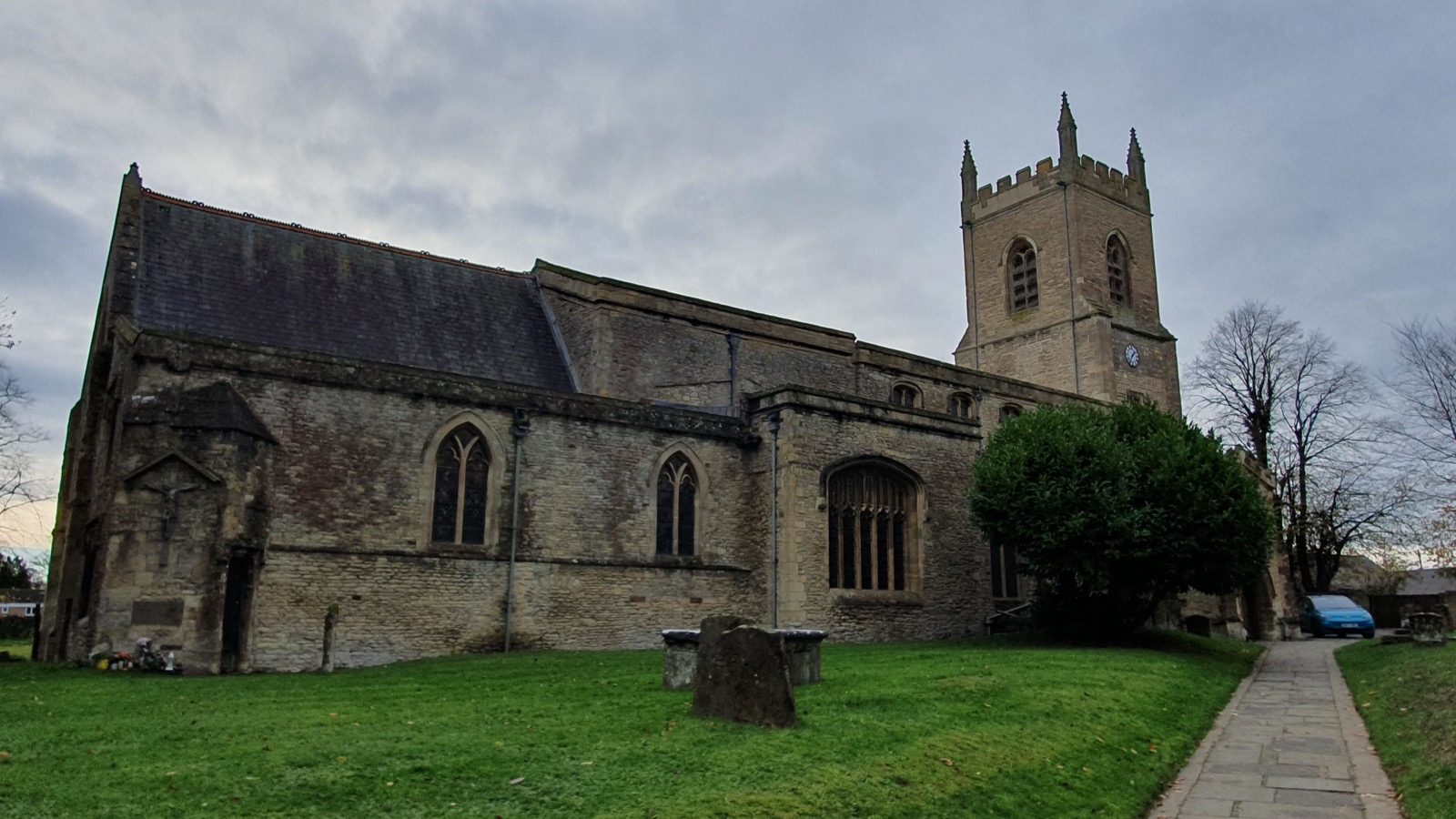
The historic stone tower and churchyard of Grade I listed St Edburg's Church in Bicester, photographed in November 2022. Credit: Gazamp. CC BY-SA 4.0.

Have an authentic photo of this place to share? Share it with HelloBicester. Published contributions receive full photographer credit.
Standing in the churchyard of St Edburg’s, you are standing on ground that has been a place of Christian worship for close to 1,400 years. It is, by a considerable margin, the oldest building in Bicester, and one of the most historically significant churches in Oxfordshire.
Saxon Origins
The site is believed to have been a minster church since the mid-7th century, following the conversion of King Cynegils of Wessex by St Birinus. A triangular-headed arch on the north side of the nave is considered by historians to be a potential remnant of the original Saxon structure, representing a rare survival that connects today’s church directly to Anglo-Saxon England.
The Norman Rebuilding
In the early 12th century, the Norman Lord of the Manor, Gilbert Bassett, initiated significant building work. The Bassett family’s influence on Bicester cannot be overstated: they built the church, later founded the Bicester Priory Augustinian monastery in the late twelfth century, and established the market rights that gave Bicester its identity as a market town, which you can read about in our guide to Bicester’s Market Square history.
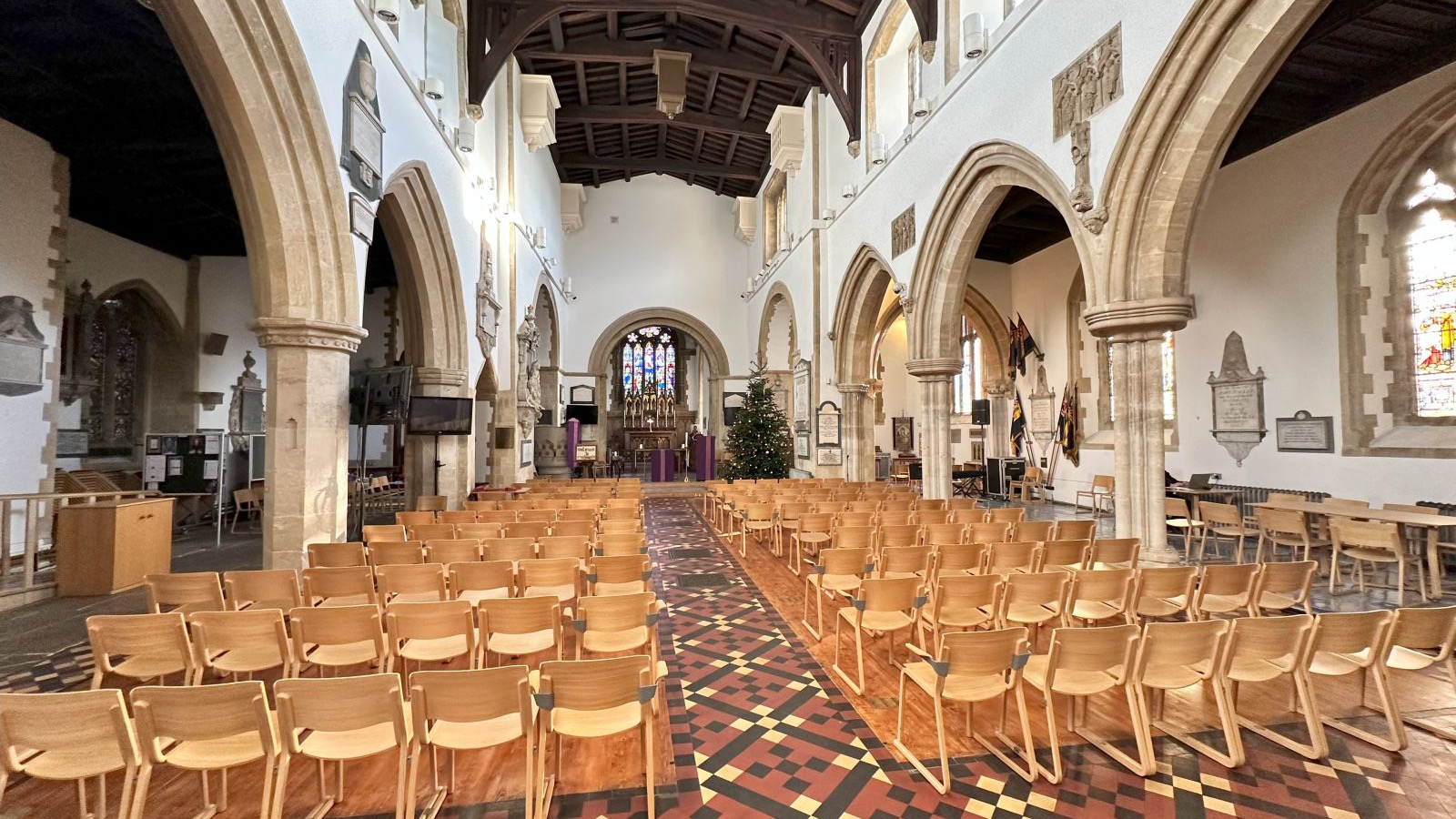
The church as it stands today reflects centuries of architectural evolution, featuring Norman arches, medieval additions, and a substantial 19th-century Victorian restoration.
St Edburg: The Saxon Saint
The church is dedicated to St Edburg (also spelled Eadburh), a 7th-century Saxon saint and abbess. Her shrine within the church became a major pilgrimage destination during the medieval period, drawing visitors from across England. The shrine remained a site of veneration until the Reformation, when such practices were suppressed.
Remarkably, when the Augustinian Priory was dissolved under Henry VIII in 1537, Sir Simon Harcourt had the priory church demolished but saved the shrine of St Edburg. It was relocated to the Harcourt family chapel at Stanton Harcourt, where elements of it survive to this day.
A Grade I Listed Landmark
St Edburg’s Church holds Grade I listed status, a designation reserved for buildings of exceptional interest. Of the approximately 500,000 listed buildings in England, only 2.5% receive Grade I status.
For residents and visitors alike, St Edburg’s is more than a historical monument. It remains an active parish church, an essential anchor among faith communities in Bicester, the starting point for the Bicester heritage trail, and a central chapter in our comprehensive history of Bicester guide, connecting modern residents to the community that has gathered on this site for centuries.