
RAF Bicester: From Bomber Base to Bicester Motion
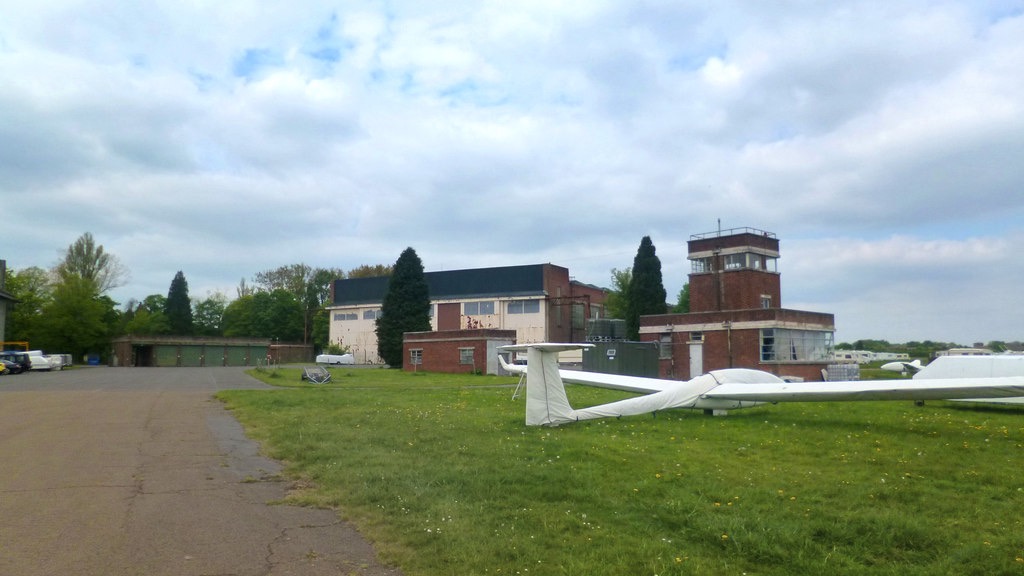
Historic Watch Office, hangars, and gliders on Bicester Airfield, photographed in May 2013. Credit: Des Blenkinsopp. CC BY-SA 2.0.
Have an authentic photo of this place to share? Share it with HelloBicester. Published contributions receive full photographer credit.
If you drive along Buckingham Road past the perimeter fence of the airfield, you will spot brick hangars and historic watch towers standing unchanged against the sky. This broad expanse of grass on the northern edge of town represents one of the best-preserved military airfields from the interwar period in Britain. Today, thousands of classic car enthusiasts and history lovers visit the site for regular Scramble events, celebrating a modern rebirth that honours its military past. The airfield evolved from a World War I landing ground into a premier RAF Bomber Command station and finally into a world-renowned automotive cluster. Understanding the RAF Bicester history helps us appreciate how this historic military site became a thriving hub for aviation and engineering.
TL;DR: RAF Bicester History
- What this post covers: The transformation of RAF Bicester from its 1916 origins as a military airfield to its preservation as Bicester Heritage and Bicester Motion.
- Why it matters to Bicester residents now: The airfield is a national conservation triumph and hosts major public motoring events and local specialist businesses.
- The key highlight or finding: RAF Bicester is considered by Historic England to be the most complete interwar RAF bomber station surviving in Britain.
- What practical information they will get: Architectural features of the 1920s expansion scheme, wartime training history, and visiting information for public open days.
- A single immediate action they can take: Book tickets for an upcoming Bicester Heritage Scramble event to see the restored hangars and historic vehicles in person.
How Did RAF Bicester Begin as a WWI Flying Field?
The story of military aviation in Bicester began in 1916 during the First World War when the Royal Flying Corps selected a flat expanse of farmland north of the town as a temporary landing field. Known initially as Station 117, the site was used for training pilots before they were deployed to the Western Front in France. Canvas tents and temporary wooden huts accommodated the early airmen, but when the war ended in 1918, the airfield was briefly closed and returned to agricultural use.
The location was not forgotten by military strategists in London. In 1924, under Sir Hugh Trenchard’s expansion scheme for the Royal Air Force, Bicester was chosen as the location for a permanent bomber station. Construction began in 1925, laying out a modern military airfield that integrated technical buildings, domestic quarters, and a large flying field. The site was built to precise military standards, creating a layout that remains intact today as a monument to early RAF architectural planning.
What Architectural Features Make RAF Bicester a National Heritage Site?
Unlike later wartime airfields built with concrete runways and hasty prefabricated structures, RAF Bicester was designed during the golden era of military architecture. The brick technical buildings were arranged in a neat crescent facing the grass flying field, incorporating Georgian and Art Deco influences. The perimeter features brick Type A and Type C hangars constructed with steel trusses, alongside brick guardhouses, mess halls, and administrative offices. The airfield purposefully avoided concrete runways, relying on a wide grass landing field that remains operational for light aircraft today.
Because the site did not undergo major modern redevelopments during the Cold War, its original layout survived intact. Historic England designated the airfield as a conservation area in 2002, describing it as the most complete and unaltered interwar RAF station in the country. Over fifty buildings across the perimeter are Grade II or Grade II* listed structures. Visitors can still admire the brickwork, timber window frames, and grass airfield that look almost identical to their 1930s appearance.
What Role Did RAF Bicester Play During World War II?
During the 1930s and throughout the Second World War, RAF Bicester served as a vital operational and training hub for RAF Bomber Command. The airfield was home to No. 13 Operational Training Unit (OTU), which specialized in preparing crews for Bristol Blenheim light bombers. Pilots, navigators, wireless operators, and gunners trained together over the Oxfordshire countryside before entering active combat missions over occupied Europe.
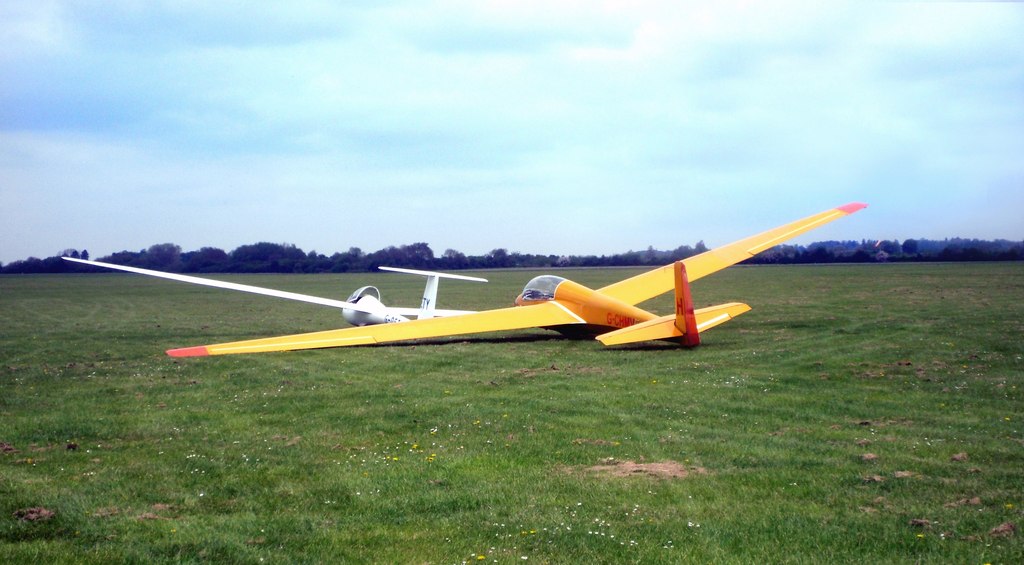
The station was active throughout the conflict, serving as a staging point for aircraft movements and tactical preparations. Although it was not a primary front-line fighter station during the Battle of Britain, the airmen stationed at Bicester played a critical role in supporting allied military operations. The site also tested early radar equipment and gliders during the mid-1940s. Following the end of WWII, the airfield transitioned to non-flying military storage and maintenance roles, which protected the historic structures from post-war demolition. To discover the broader civilian and logistical story of the town during this era, explore our detailed guide to Bicester WW2 history.
How Was the Airfield Saved and Transformed into Bicester Motion?
By the early 2000s, the Ministry of Defence declared the site redundant, raising concerns among local residents and historians about its long-term future. In 2013, the airfield was purchased by private visionaries who founded Bicester Heritage. Their mission was to restore the historic buildings and create a dedicated centre of excellence for classic car restoration, historic aviation, and specialist engineering. Expert craftsmen moved into the restored hangars, establishing workshops for vintage car restoration, upholstery, and historic vehicle maintenance.
The success of Bicester Heritage led to the broader vision of Bicester Motion, an ambitious project aimed at creating a premier destination for automotive technology, mobility innovation, and leisure. To discover the full directory of on-site engineering specialists and visitor fixtures, read our dedicated guide to Bicester Motion and Heritage. The site regularly opens its doors to the public for Scramble events, where thousands of visitors browse classic cars parked among the historic RAF buildings. The transformation of RAF Bicester demonstrated how military heritage can be preserved through sustainable commercial use, providing skilled local jobs while respecting the town’s history.
A Visitor’s Guide to Exploring RAF Bicester
- If you are attending a Bicester Heritage Scramble: Book your advance tickets early as these popular public open days regularly sell out.
- If you are walking or cycling near the airfield: Follow the public footpaths around the perimeter fence off Skimmingdish Lane to view the preserved hangars and watch tower.
- If you are interested in local history: Combine your visit to the airfield with a trip to Bicester’s Market Square history, the annual Armed Forces Day in Bicester gala at Pingle Field, or our guide to famous people from Bicester.
Preserving Bicester’s Aviation Heritage
RAF Bicester stands as an extraordinary survivor of Britain’s military history, successfully adapted into a modern hub for innovation and classic engineering.
In our next article, we will explore the historic St Edburg’s Church to discover Bicester’s oldest surviving medieval building.