
Garth House and Garth Park: The Victorian Estate That Became Public
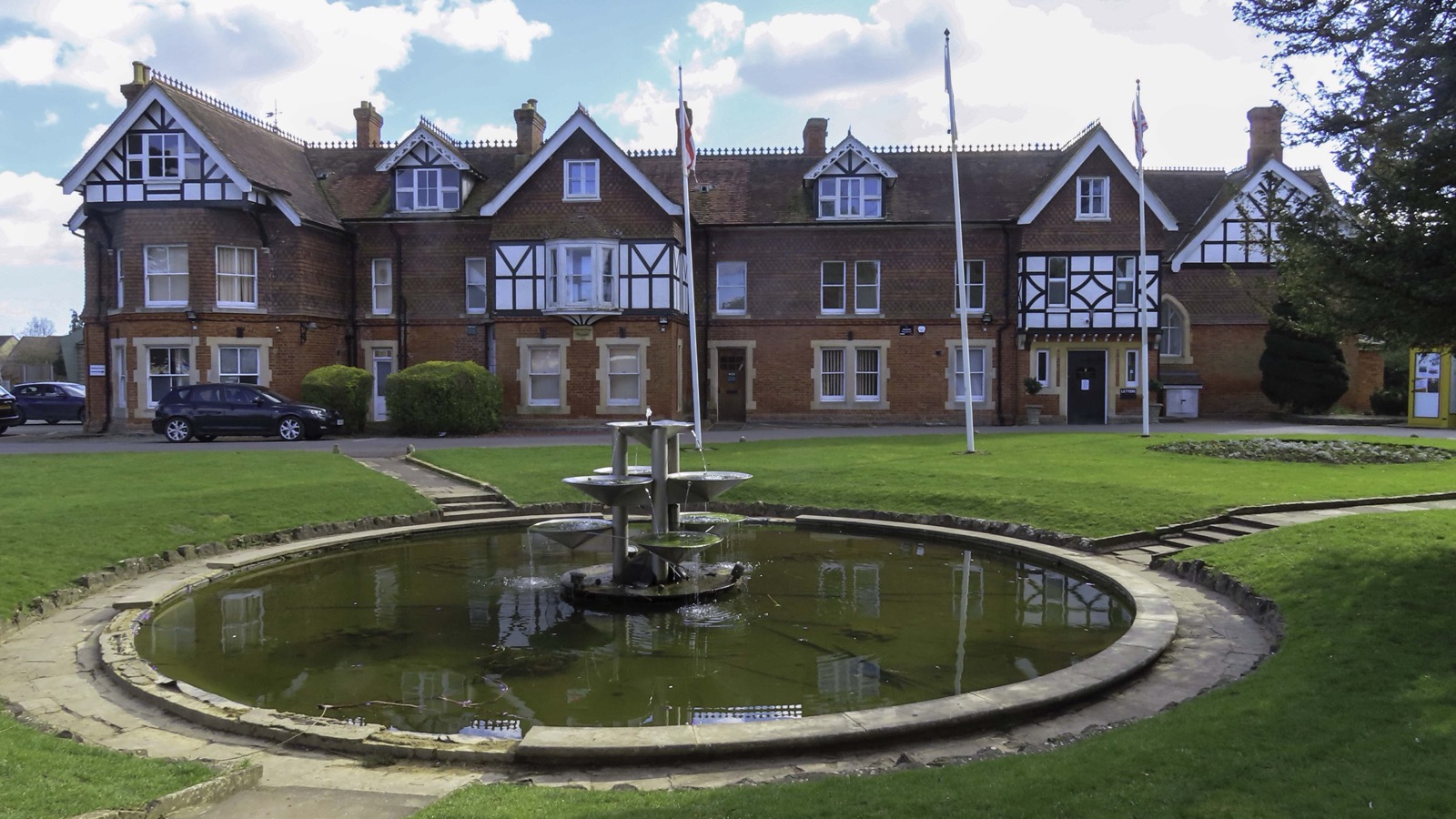
Garth House and circular fountain in Garth Park, photographed in February 2021. Credit: Steve Daniels. CC BY-SA 2.0.
Have an authentic photo of this place to share? Share it with HelloBicester. Published contributions receive full photographer credit.
If you take a stroll down Launton Road on a sunny afternoon, you will find children playing on the lawns and families enjoying tea at the park kitchen. This peaceful green space has served as Bicester’s civic heart for eighty years, providing a sanctuary away from the busy town centre. Today, dozens of residents visit Garth Park to enjoy the flowers and play areas without knowing the history of the grand Victorian house standing at its centre. The estate transitioned from an exclusive private hunting lodge to a beloved public park following the second world war. Read more about the park’s wild gardens in our guide to Bicester’s hidden gems. Understanding the story of Garth House helps us appreciate how Bicester’s heritage has been preserved for everyone to enjoy.
TL;DR: Garth House History
- What this post covers: The history of Garth House and Garth Park from their Victorian origins to their modern role as the town council offices and public gardens.
- Why it matters to Bicester residents now: Garth Park is the town’s premier public park and hosts key community events, concerts, and play facilities.
- The key highlight or finding: The Bicester Urban District Council purchased the private estate in 1946 for £6,500 using public donations.
- What practical information they will get: Features to look out for on the building, the location of the historic pet cemetery, and details of the 1732 Shambles bell.
- A single immediate action they can take: Take a walk through the formal gardens to find the historic bell and the memorial gates off Launton Road.
What Are the Origins of Garth House and its Victorian Architecture?
The current building known as Garth House was constructed during the 1840s as a private residence. Before this structure was erected, the site on Launton Road was associated with a parish workhouse established in 1729 to support the local poor. When the property was transformed into a private home, it was originally named “The Poplars” owing to the trees that lined the estate boundaries. The house was constructed using red brick, reflecting the building trends of the early Victorian era in Oxfordshire.
In the 1870s, the house was extensively remodelled and extended, transforming it into a fashionable hunting box. This reconstruction added elements of the Tudor Revival style, which was highly popular among the late Victorian upper classes. If you stand in front of the building today, you can spot three projecting gables decorated with black and white timber framing. The exterior also features fish-scale hanging tiles and machine-pierced bargeboards along the rooflines. A romantic turret was added to the rear of the house, mimicking the historic castles of the English countryside and adding to its grand appearance.
Who Lived at the Garth and Hosted Royalty in Bicester?
In 1878, a London-based banker of German origin named Baron Adolf Deichmann purchased the estate. He renamed the house “The Garth” and established it as a hub for local social life and fox hunting. The Baron hosted several prominent international guests, including the Earl of Cork and the King of Saxony, who came to participate in hunts across the Oxfordshire countryside. Under Deichmann’s ownership, the house became synonymous with the high-class hunting community that frequented the Bicester area.
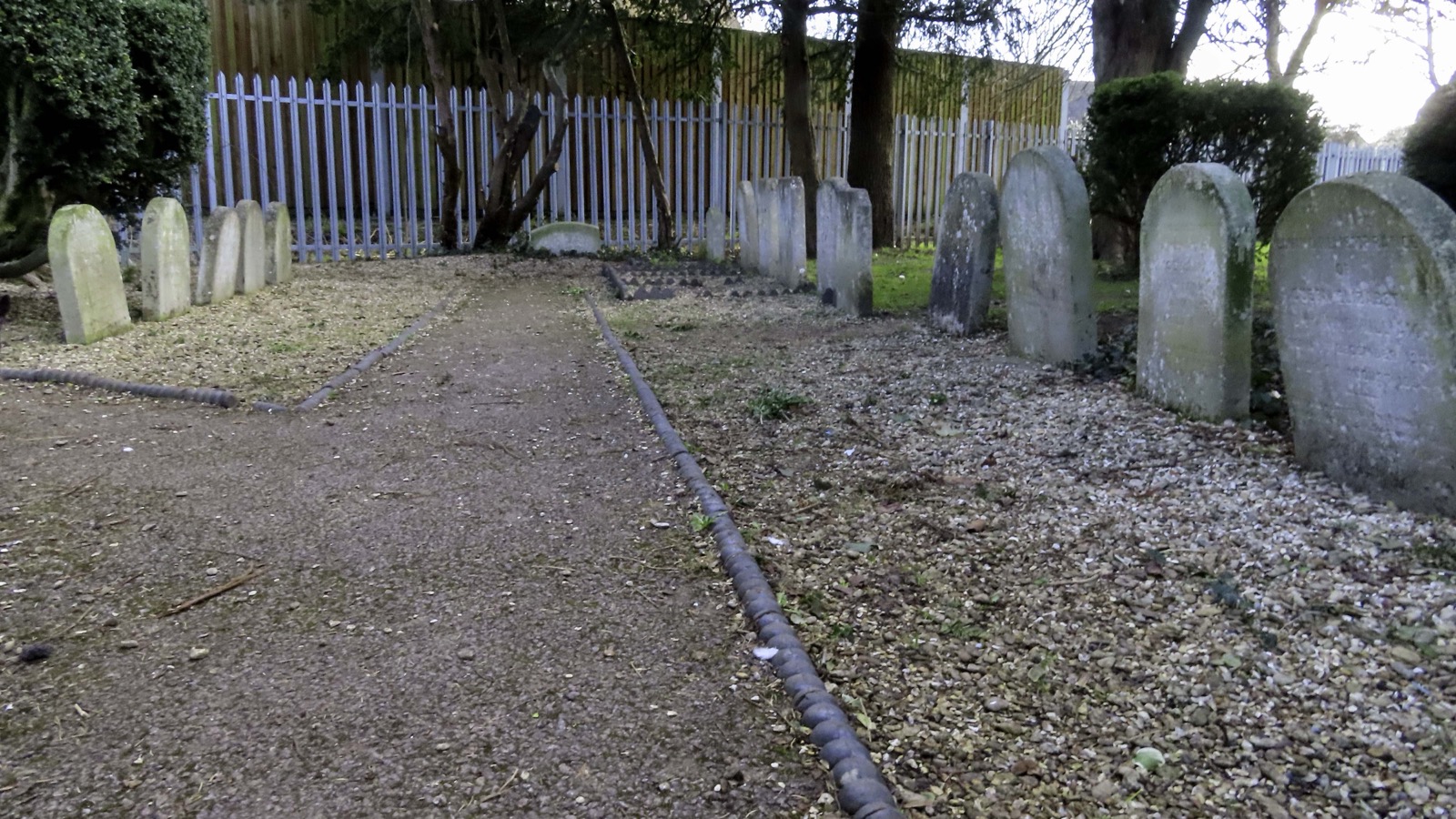
The property was sold in 1891 to the Keith-Falconer family, who remained the owners of the estate for over fifty years. The family maintained a deep connection to their animals, which is still visible on the grounds today. In a quiet, shaded corner of the park, you can find a small historic pet cemetery. This space contains small gravestones dedicated to the horses and dogs that served the family during their decades at the house. This pet cemetery offers a personal glimpse into the lives of the estate’s former private owners before the property changed hands.
How Did a Private Estate Become Bicester’s Public Park?
Following the death of the owner, the future of the estate became uncertain at the end of the second world war. In 1946, the Bicester Urban District Council stepped forward to purchase the entire house and its nine acres of grounds for £6,500. This acquisition was made possible through contributions from local benefactors who wanted to secure a green space for the public. The council converted the private rooms of Garth House into civic offices, and the house remains the headquarters for the Bicester Town Council.
The surrounding grounds were opened to the public as Garth Park, providing the town with a dedicated green space. The formal gardens within the park had been designed in 1919 by the architect Walter H. Godfrey, who laid out structured pathways, lawns, and flowerbeds. The council preserved Godfrey’s design, allowing modern visitors to walk the same paths that the private owners enjoyed a century ago. The transition from private estate to public park ensured that these historic gardens would not be lost to modern housing developments.
What Historic Features and Artifacts Can You Find in Garth Park Today?
Besides the main house, several historical artifacts are situated throughout the park. Near the council offices, you can find a historic bronze bell dating back to 1732. This bell originally hung in the Bicester Shambles, which was the historic meat market in Market Square Bicester. When the Shambles was demolished to clear space in the town centre, the bell was saved and moved to the park, preserving a tangible link to Bicester’s medieval market history.
The entrance to the park off Launton Road is marked by ornate iron gates, which serve as a memorial to local residents who served in the world wars. This military history is also linked to the nearby RAF Bicester airfield history where local crews trained. As you walk through the grounds, you can also visit the Garth Park Kitchen to find opening times for the park café. The park continues to host community concerts, horticultural shows, and seasonal celebrations, continuing its role as Bicester’s primary gathering place. Supporting the park helps ensure that this Victorian landmark remains open for future generations.
A Visitor’s Guide to Garth Park and House
- If you are visiting with young children: Head to the modern play area and skate park detailed in our complete Garth Park Bicester guide.
- If you are interested in local history: Look for the historic 1732 Shambles bell hanging near the house and locate the pet cemetery in the quiet corner.
- If you want a coffee or light lunch: Pop into the Garth Park Kitchen situated next to the main lawns.
Preserving Bicester’s Green Heart
Garth Park remains a shining example of how a private Victorian estate can be successfully transformed into a lasting community asset.
In our next post, we will look at other parks and green spaces in Bicester to help you discover new outdoor walks.