
The Future of Bicester: Garden Town Plans and What's Next
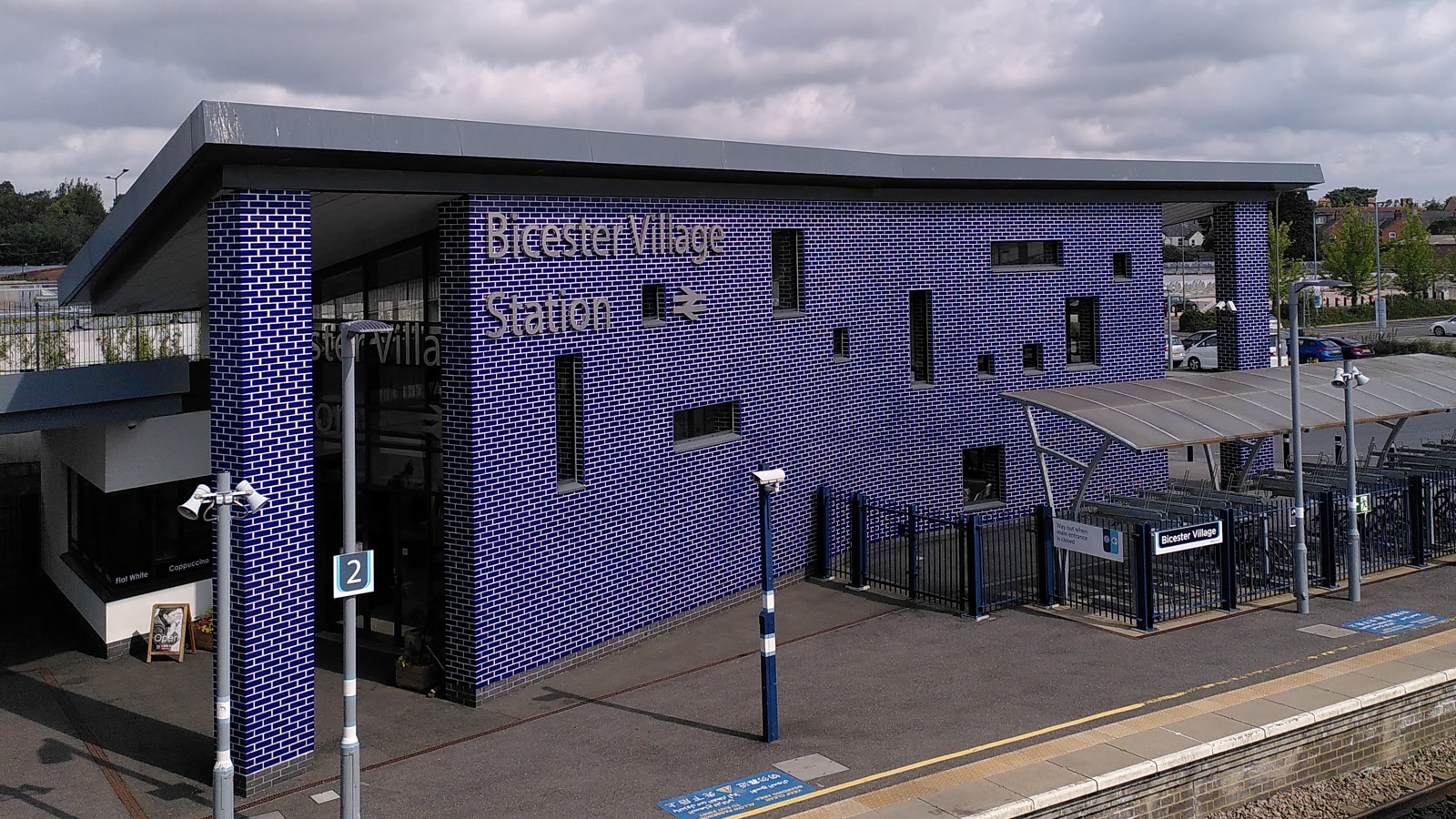
Bicester Village Station and railway tracks viewed from the pedestrian footbridge, photographed on 14 June 2025. Credit: A J Paxton. CC BY-SA 2.0.
Have an authentic photo of this place to share? Share it with HelloBicester. Published contributions receive full photographer credit.
Walking across the sunlit footbridge near Bicester Village station on a brisk Tuesday morning, you watch modern Chiltern Railways trains glide beneath while construction cranes shape new avenues along the eastern horizon. From the eco-homes of Charlotte Avenue down to the tree-lined avenues of Kingsmere, our historic market community is experiencing the most significant transformation in North Oxfordshire history. Much of this sustainable growth stems from our official government status as a designated Bicester Garden Town, balancing thousands of planned homes with green corridors and high-tech employment campuses. For everyday residents, knowing how council planners intend to preserve our town’s distinct character while upgrading roads, healthcare, and schools is essential for navigating the next decade. This independent civic guide details the Cherwell masterplan, active transport initiatives, town centre regeneration, and what daily living will look like by 2042.
TL;DR: Bicester Garden Town Masterplan Guide
- What this post covers: A comprehensive civic guide to the Bicester Garden Town vision, examining Cherwell District Council masterplans, infrastructure investments, and residential expansion through 2042.
- Why it matters to Bicester residents now: Population growth directly influences your daily commute, GP appointment availability, school catchment boundaries, and local high street viability.
- The key highlight or finding: Strategic blueprints combine over 7,500 new energy-efficient homes with segregated cycle networks, preserving essential green buffers around surrounding rural parishes.
- What practical information you will get: Clear timelines for town centre regeneration funding, East West Rail passenger services, London Road level crossing solutions, and planning consultation dates.
- A single immediate action you can take: Review the Cherwell Local Plan Review 2042 documents on the council planning portal to submit your feedback on neighbourhood zone allocations.
What Is the Bicester Garden Town Masterplan and Why Was It Created?
In December 2014, the UK government awarded Bicester official Garden Town status, selecting our market town as a national pioneer for sustainable, planned 21st-century growth. Rather than allowing uncoordinated urban sprawl to swallow countryside boundaries, the designation empowers Cherwell District Council and Oxfordshire County Council to coordinate housing delivery, environmental protection, and public services under a unified vision. Planners aimed to address regional housing shortages while creating local employment opportunities, reducing the historic pattern where thousands of workers left Bicester daily for Oxford or London.
The core principles of the Bicester masterplan prioritise environmental resilience, active travel networks, and distinct neighbourhood identities. Every major residential development must incorporate extensive green infrastructure, ensuring that at least 40% of strategic allocation land remains open green space, community orchards, or linear parks. Furthermore, developers must deliver net biodiversity gains, protecting wildlife corridors across the River Ray catchment while providing dedicated walking trails. If you are researching whether is Bicester a good place to live, understanding these garden town standards helps illustrate why North Oxfordshire attracts families seeking modern homes surrounded by accessible countryside.
Civic accountability drives the long-term masterplan forward through the Cherwell Local Plan Review 2042. This statutory planning document sets binding policies for building heights, low-carbon heating, commercial allocations, and developer contributions towards local healthcare and education. Town councillors at Bicester Town Council review planning applications on behalf of residents, ensuring that proposals respect historic streets while meeting demanding environmental benchmarks. Growth brings challenges, yet the framework provides enforceable rules to protect the community.
How Will Housing Growth and New Residential Quarters Expand by 2042?
Housing development across Bicester follows carefully mapped strategic expansion zones rather than random infill building. Under the current Cherwell Local Plan proposals, planners project the delivery of more than 7,500 new homes by 2042 across designated sites, with a strict requirement that 30% represent affordable housing. These homes will accommodate a growing population, which planners estimate will exceed 50,000 residents within the next two decades.
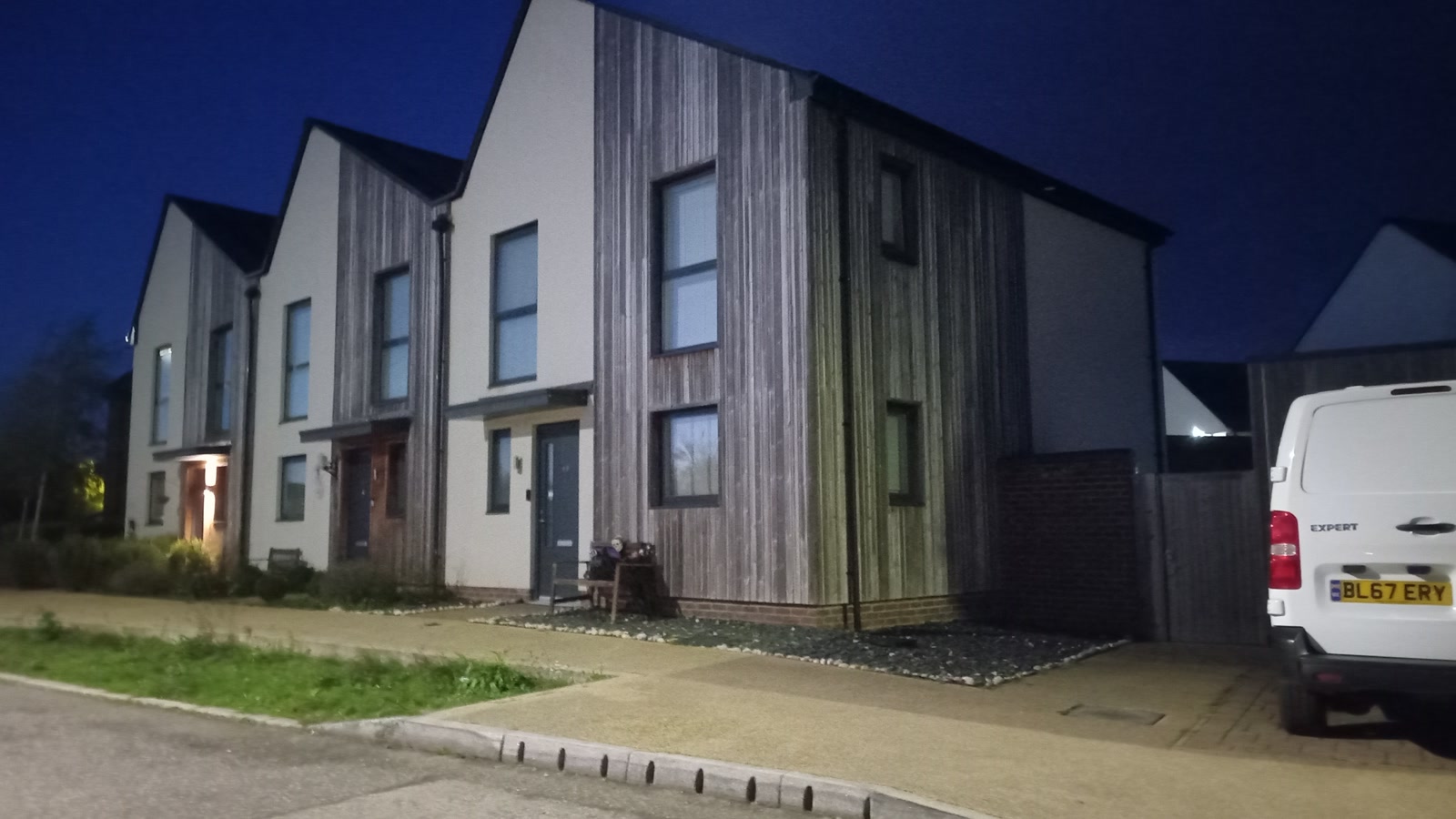
Strategic growth concentrates on four primary quadrants surrounding the historic town core. To the north-west, the pioneering Elmsbrook eco village establishes high sustainability benchmarks with its zero-carbon timber-frame properties, district heating network, and solar arrays. Future phases of North West Bicester aim to deliver thousands of additional eco-homes north of Howes Lane. Meanwhile, south of the railway line, Graven Hill self-build village continues expanding as the largest custom-build community in the UK, transforming 470 acres of former Ministry of Defence land into distinct custom neighbourhoods.
To the south and east, mature developments at Kingsmere have provided crucial family infrastructure, including Whitelands Academy secondary school and Whitelands Farm Sports Ground. Adjacent to the A41 corridor, the planned Wretchwick Green site will provide 1,500 homes alongside a dedicated employment park and linear nature reserves. The following comparison outlines the primary residential allocation sites shaping Bicester future development:
| Development Area | Target Homes | Planning Status | Key Community Infrastructure | Primary Developer / Lead Body |
|---|---|---|---|---|
| North West Bicester (Elmsbrook) | 6,000 across all phases | Active construction & future phases | Gagle Brook Primary School, eco-pub, community hall | A2Dominion / Consortium |
| Graven Hill | 1,900 custom & self-build homes | Active delivery across multiple zones | Graven Hill Primary School, community centre, woodland | Graven Hill Village Development Company |
| Wretchwick Green (South East) | 1,500 new dwellings | Outline approval & initial earthworks | 2-form entry primary school, employment park, play pitches | Redrow Homes / Wretchwick Green Land Ltd |
| Kingsmere (South West) | 2,450 completed & final parcels | Substantially complete | Whitelands Academy, sports village, retail square | Countryside Properties (Vistry Group) |
What Transport Upgrades and Active Travel Links Are Planned for Bicester?
Rapid population expansion requires dependable public transport and safe cycling routes, ensuring local roads do not grind to a standstill. Transport planning in Bicester operates through the Bicester and Mid-Cherwell Movement and Place Plan, established by Oxfordshire County Council to connect residential outer rings to the town centre without forcing every trip into a private car. Segregated cycleways, known locally as greenways, are expanding across the ring road, linking into townwide networks detailed in our guide to cycling infrastructure in Bicester.
Railway investment represents our town’s biggest regional connectivity enhancement. As outlined in our complete East West Rail guide, restoring direct passenger rail between Oxford, Bicester Village station, Winslow, and Milton Keynes Central will cut regional journey times substantially. Commuters heading into the capital also rely on the Bicester to London commute from Bicester North station, reaching Marylebone in under 50 minutes. Excellent rail links make North Oxfordshire a premier choice for professionals moving to Bicester from higher-cost London boroughs.
However, increased rail traffic creates acute local pressure at the London Road level crossing. When East West Rail services reach full operating timetables, barrier downtimes could reach 35 to 40 minutes per hour. Network Rail and Oxfordshire County Council are evaluating engineering designs for an accessible pedestrian and cyclist underbridge alongside highway bypass detours. Resolving the London Road crossing remains the single most important transport issue facing local councillors, ensuring that our south-side neighbourhoods remain closely connected to town centre amenities.
Alongside rail, strategic road improvements focus on the perimeter ring roads and motorway access. Highways planners continue upgrading junctions along the A41 corridor and investigating enhancements at Junction 9 of the M40. The overarching policy goal is clear: divert through-traffic away from Market Square and residential streets while giving priority to buses, cyclists, and pedestrians within the urban core.
How Will Bicester Town Centre and Historic Sheep Street Be Revitalised?
While out-of-town retail parks and Bicester Village attract international visitors, council leaders are committed to ensuring our historic town centre thrives. In 2026, Cherwell District Council approved £250,000 in dedicated funding to commission a comprehensive town centre masterplan. This investment addresses shifting shopping habits, supporting independent traders on Sheep Street and Market Square through public realm improvements, outdoor hospitality spaces, and community events.
The town centre strategy focuses on creating experiences that cannot be replicated online. Plans include modernising street furniture, installing decorative lighting, planting mature trees, and introducing flexible pedestrian zones that can host specialist farmers markets and craft fairs. The goal is to encourage families living in Kingsmere, Elmsbrook, and Graven Hill to spend their weekend leisure time dining and shopping locally. Civic leaders recognise that a healthy high street requires resilient independent businesses, not merely chain stores.
Complementing retail, employment growth across commercial innovation campuses guarantees high-quality jobs within the town boundary. The Bicester Motion heritage hub, situated on the 444-acre former RAF airfield off Buckingham Road, is developing world-leading engineering quarters for automotive technology, aviation research, and experiential leisure. Similarly, Catalyst Bicester along Wendlebury Road provides contemporary business units and sports facilities. By cultivating advanced technology sectors locally, Bicester aims to offer skilled career opportunities for young people growing up in our town.
Green spaces within the town centre are also receiving planned upgrades. Garth Park, home to Bicester Town Council offices and the popular Garth Park Kitchen, remains a central civic hub for outdoor concerts, seasonal festivals, and family recreation. Connecting Garth Park to newer linear green spaces across town ensures that every resident lives within a ten-minute walk of high-quality nature.
Bicester Garden Town Resident Playbook: How to Prepare for Coming Changes
Whether you have lived in Bicester for decades or recently collected the keys to a newly built property, adapting to town growth helps you make the most of local opportunities.
- If you commute daily by train or car: Plan your route around East West Rail crossing closure schedules, and consider switching to segregated cycle paths or local bus routes for town journeys under three miles.
- If you are shopping for a home: Compare energy-efficiency specifications across the new developments in Bicester, checking whether properties include heat pumps, solar arrays, and electric vehicle charging points.
- If you run a local high street business: Engage with the Bicester Chamber of Commerce and participate in Cherwell District Council public realm consultations to ensure your trading interests shape future town centre funding.
- If you have school-age children: Monitor Oxfordshire County Council school catchment reviews, as new primary schools at Graven Hill and Wretchwick Green alter admission boundaries across North Oxfordshire.
- If you want to influence local planning decisions: Submit formal written feedback on the Cherwell planning portal whenever strategic development documents or planning applications near your street enter public consultation.
Summary: The Future Direction of Bicester Garden Town
The long-term development of Bicester Garden Town will shape North Oxfordshire for generations, balancing ambitious housing expansion with renewable energy, active travel corridors, and high-tech employment hubs.
Our ongoing civic series continues next week with an investigative look at water conservation projects and ecological restoration along the River Ray wetland meadows.