
Langford Meadows and the River Ray: A Local Nature Walk
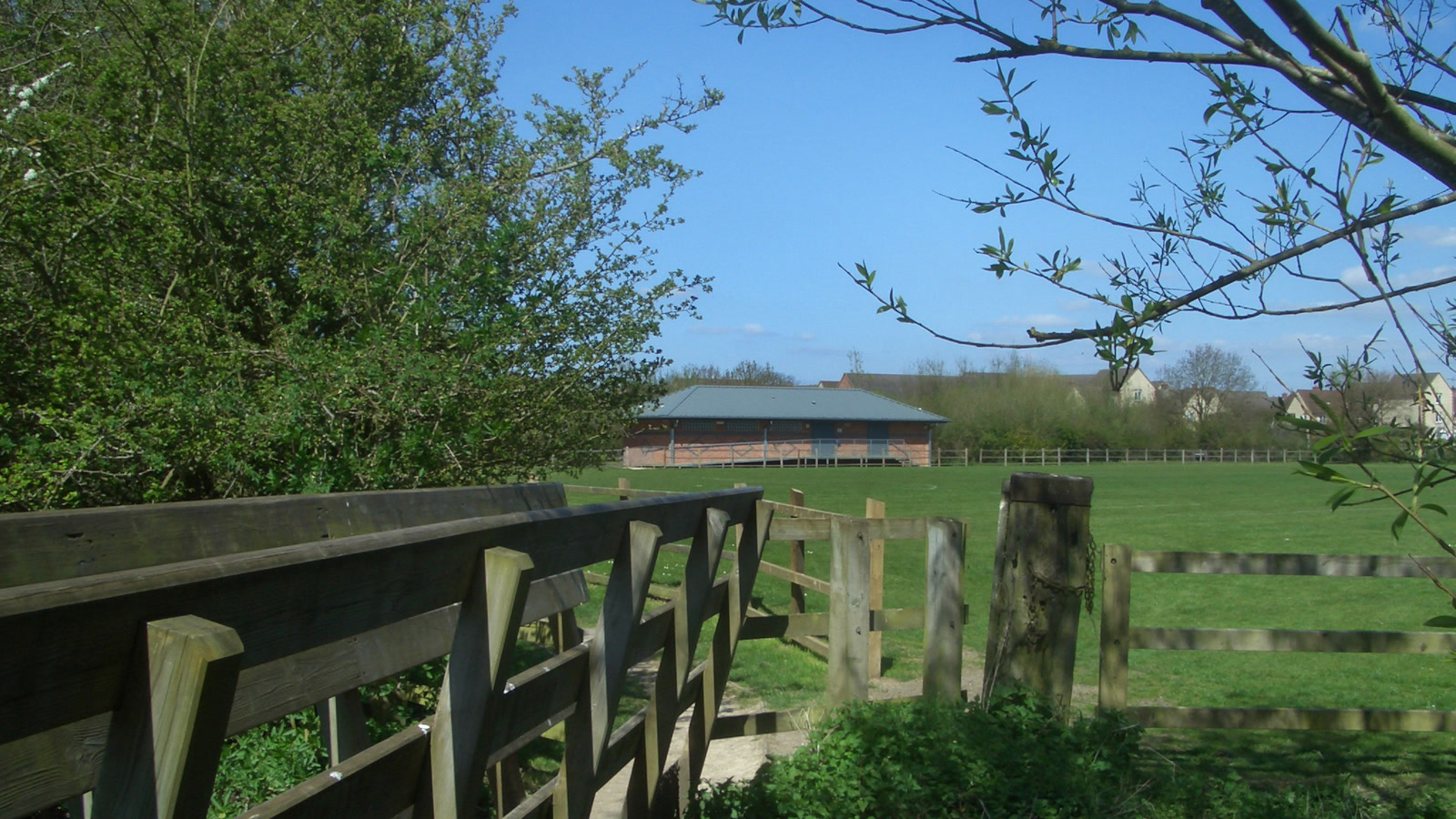
Footbridge and sports fields at Langford Fields, Bicester, venue for Bicester parkrun, photographed in April 2010. Credit: Des Blenkinsopp. CC BY-SA 2.0.
Have an authentic photo of this place to share? Share it with HelloBicester. Published contributions receive full photographer credit.
You step off Peregrine Way on a bright Saturday morning and follow the gravel path towards the open floodplains of south Bicester. The background hum of the town softens quickly as rustling reedbeds, birdsong, and the gentle trickle of Langford Brook replace estate traffic. For local residents seeking a tranquil escape without getting into a car, embarking on a River Ray Bicester walk across Langford Meadows offers a soothing dose of Oxfordshire countryside right on your doorstep. This scenic floodplain corridor connects suburban greenways with ancient water meadows, seasonal wildflower banks, and vital wetland habitats stretching towards Otmoor. Whether you want a peaceful twenty-minute loop with the dog or an extended afternoon trek across quiet river pastures, this south-eastern nature trail remains one of the area’s finest community spaces.
TL;DR: Walking Langford Meadows and the River Ray
- What this post covers: A complete local guide to the River Ray Bicester walk through Langford Meadows, exploring wetland wildlife, circular trails, parking access, and volunteer conservation projects.
- Why it matters to Bicester residents now: As south Bicester expands, preserving accessible floodplain corridors provides direct access to quiet green landscapes within walking distance of local homes.
- The key highlight or finding: The trail links urban parkland with traditional floodplain meadows that support endangered wading birds, native dragonflies, and community fruit orchards.
- What practical information you will get: Exact postcodes for free parking, route lengths for all fitness levels, pram accessibility ratings, and seasonal wildlife spotter tips.
- A single immediate action you can take: Lace up your walking shoes for a gentle morning circuit along Langford Brook or join local volunteers on their next community orchard work morning.
What Wildlife and Natural Habitats Border Langford Meadows and the River Ray?
Langford Meadows forms a critical ecological corridor in south-eastern Bicester, where urban greenways meet the wider Upper River Ray catchment basin. Fed by Langford Brook and surface drainage from the surrounding limestone hills, this landscape transitions from manicured community amenity fields into traditional floodplain grazing pastures. The underlying heavy clay soils retain moisture throughout winter and spring, creating seasonal ponds, shallow ditches, and damp marshland zones. These varied micro-habitats make a Langford meadows walk particularly rewarding for amateur naturalists, birdwatchers, and families who enjoy exploring local biodiversity.
Along the riparian margins of Langford Brook and the nearby River Ray, native crack willows, grey alders, and dense reedbeds line the banks. These linear waterways shelter freshwater species and hunting waterfowl throughout the seasons. Regular walkers frequently spot electric-blue common kingfishers darting low over the water surface, while little egrets and grey herons hunt for small fish and amphibians in the shallows. During summer months, calm water pools attract twelve species of dragonflies and damselflies, including banded demoiselles, emperor dragonflies, and azure damselflies hovering over yellow flag irises and water mint.
Further out into the floodplain grasslands, the landscape retains traces of ancient medieval ridge-and-furrow agriculture. These undulating earthworks prevent aggressive modern farming techniques and allow diverse native grassland flora to thrive. Between May and August, the uncultivated meadow fields produce colourful carpets of meadowsweet, cuckooflower (lady’s smock), common knapweed, great burnet, and yellow rattle. This abundance of nectar plants supports hundreds of pollinators, including marbled white butterflies, peacock butterflies, and six-spot burnet moths. At dusk, nocturnal mammals emerge, with soprano pipistrelle bats, noctule bats, and foraging barn owls patrolling the field boundaries.
| Habitat Zone | Characteristic Vegetation | Key Wildlife Species to Spot | Best Viewing Season |
|---|---|---|---|
| Langford Brook & Ditches | Yellow flag iris, water mint, reed canary-grass | Kingfishers, grey herons, banded demoiselles | Year-round (Summer for insects) |
| Floodplain Grazing Meadows | Great burnet, meadowsweet, yellow rattle | Lapwings, curlews, marbled white butterflies | May to September |
| Jubilee Lake & Swales | Broadleaf pondweed, common reeds, rushes | Mallards, moorhens, coots, little grebes | Spring and Autumn |
| Langford Community Orchard | Oxfordshire heritage apple trees, plum trees | Goldfinches, bullfinches, solitary bees | Blossom in Spring, Fruit in Autumn |
| Boundary Hedgerows | Blackthorn, hawthorn, dog rose, field maple | Yellowhammers, song thrushes, hedgehogs | Autumn and Winter (berry foraging) |
The ecological health of this corridor directly influences the larger Upper Ray Meadows complex managed downstream by the Berks, Bucks and Oxon Wildlife Trust (BBOWT). Because the River Ray Bicester system connects directly to protected bird sanctuaries towards Murcott and Marsh Gibbon, local conservation practices in Langford play a key role in regional wetland preservation. Residents who appreciate quiet birdwatching can also explore our dedicated RSPB Otmoor nature reserve guide for nearby wetland spectacles.
How Do Local Volunteers and Community Groups Protect the River Ray Corridor?
The preservation and ongoing care of the green spaces across Langford Meadows rely heavily on dedicated voluntary action and close cooperation between community organisations. While Cherwell District Council and Bicester Town Council maintain public paths and safety infrastructure, local residents carry out vital hands-on conservation work that keeps the riverside environment thriving. Central to this grass-roots effort is the Langford Village Community Association (LVCA), which coordinates environmental awareness days, community clean-ups, and seasonal tree-planting projects.
One of the most inspiring local initiatives is the Langford Community Orchard, situated adjacent to the meadows near Mallards Way. Established in 2011 by neighbourhood volunteers, the orchard features dozens of heritage fruit varieties, including rare Oxfordshire culinary apples, damson trees, and perry pears. Volunteer working parties meet on the first Saturday of each month to prune branches, clear competitive undergrowth, and mulch around tree roots. These sessions provide an accessible way for new residents in the Langford Village community to meet neighbours, gain practical horticultural skills, and improve local food biodiversity.
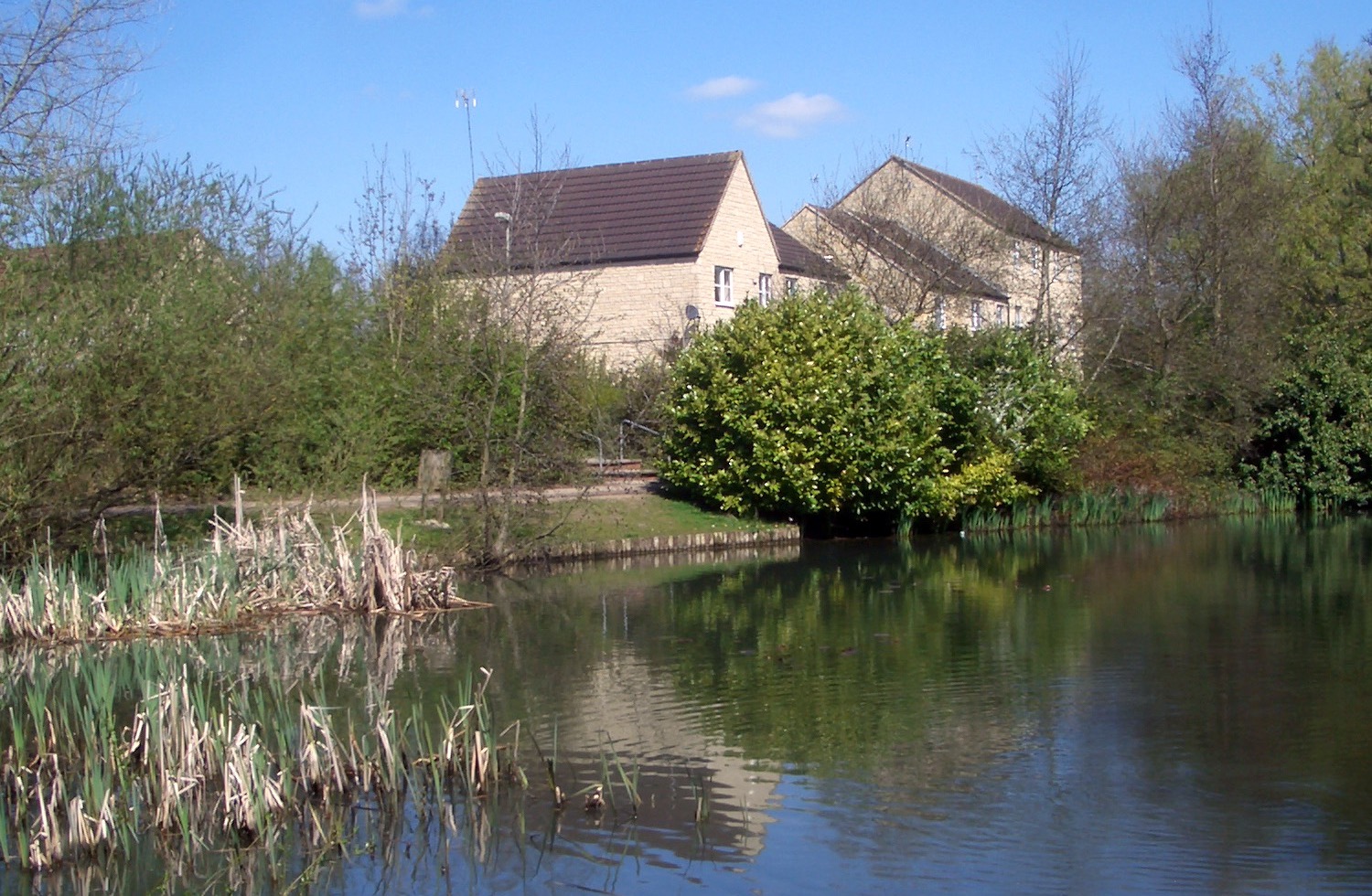
Langford Community Orchard volunteer coordinator Mark Thornton highlights the importance of local stewardship: “When we first planted these heritage trees fifteen years ago, our goal was to create a productive haven that both wildlife and local families could enjoy. Today, seeing goldfinches feasting on thistle seeds while children harvest apples in autumn shows what hands-on community care can achieve. Everyone is welcome to join our weekend sessions regardless of previous experience.”
In addition to orchard maintenance, the Bicester Green Gym and local environmental volunteers carry out regular waterway monitoring and scrub management along Langford Brook. These practical tasks involve removing invasive Himalayan balsam, clearing fallen branches from drainage culverts, and sowing wildflower seed mixes on disturbed meadow banks. Environmental volunteer Claire Edwards adds: “Surveying water voles and damselflies along the brook gives us clear evidence that our conservation work makes a measurable difference. When residents take pride in their local waterways, nature responds immediately.”
Local primary schools, including Langford Village Community Primary School on Peregrine Way, also use the meadow pathways for outdoor science field trips. Pupils conduct pond-dipping surveys, record seasonal bird migrations, and study flood management techniques first-hand. This educational involvement instils long-term environmental responsibility in the next generation of Bicester residents. If you want to contribute, volunteer work mornings are announced on community notice boards outside the Peregrine Way shops and via local social media groups.
Where Are the Best Walking Routes, Trail Access Points, and Parking in Langford?
Planning a nature walk Bicester excursion through Langford Meadows is straightforward because multiple well-marked entry points connect the surrounding neighbourhoods directly to the trail network. The most convenient starting point for visitors arriving by car is the public car park located off Peregrine Way (postcode OX26 6XX), adjacent to the local shopping parade and community centre. Parking here is free of charge, with disabled bays and bicycle parking racks available. Alternative pedestrian access gates are situated along Mallards Way, Nightingale Place, Waveney Close, and the footbridge connecting London Road near Bicester Village railway station.
The trail network across Langford Meadows caters to all abilities, ranging from paved pram-friendly loops around Langford Fields to extended cross-country footpaths heading into the rural Upper Ray valley. Four distinct routes offer varied distances and scenery:
| Trail Route | Distance & Duration | Terrain & Surface | Accessibility Rating | Route Highlights |
|---|---|---|---|---|
| Langford Fields & Lake Circuit | 1.6 km (1.0 mile) / 25 mins | Wide tarmac pathways, flat gradient | Fully accessible for prams and wheelchairs | Jubilee Lake waterfowl, community play park, open parkland |
| Langford Brook Waterside Trail | 2.8 km (1.7 miles) / 45 mins | Compacted gravel, timber bridges, grass | Suitable for rugged buggies and leisure walkers | Kingfisher viewing perches, wildflower verges, Langford Orchard |
| Langford to Wretchwick Country Loop | 4.5 km (2.8 miles) / 1 hr 15 mins | Grass field paths, kissing gates, earth tracks | Moderate; requires walking boots in winter | Ancient ridge and furrow, rural hedgerows, open farmland views |
| Upper River Ray Countryside Trek | 6.8 km (4.2 miles) / 2 hrs | Rural footpaths, stiles, wet floodplain pasture | Sturdy footwear required; seasonally wet | River Ray riverbanks, wading bird habitats, historic rural lanes |
For families with young children or visitors using pushchairs and mobility scooters, the Langford Fields and Jubilee Lake circuit provides an ideal outdoor outing. The wide, level tarmac paths remain dry and mud-free throughout the wettest winter months. Children can observe ducks and swans on the lake before enjoying the modern timber climbing frames at the Langford Fields playground, highlighted in our guide to the best playgrounds in Bicester.
Walkers who prefer longer cross-country circuits can follow the public right of way heading south-east towards the historic hamlet of Wretchwick and the open meadows bordering the River Ray. This route leads across working agricultural pasture where cattle graze during late summer, so walkers should follow the countryside code and keep dogs securely on leads. For additional walking inspiration across the district, explore our curated list of walking routes around Bicester and our comprehensive directory of parks and green spaces in Bicester.
Active commuters and cyclists also use the paved greenways crossing Langford Meadows as a quiet, traffic-free connection between residential avenues and Bicester Village railway station. If you enjoy cycling around town, our guide to cycling routes in Bicester outlines how these green pathways connect with national cycle networks.
Langford Meadows and River Ray Nature Walk Playbook: If/Then Scenarios
Choosing the right walking route across Langford Meadows depends on your schedule, party size, and mobility requirements. To help you plan your outing based on your group and seasonal interests, use this practical scenario guide before setting off:
- If you are visiting with double prams or mobility equipment: Park at the Peregrine Way community centre car park (OX26 6XX) and follow the wide tarmac loop around Langford Fields and Jubilee Lake. The entire circuit is step-free with dropped kerbs and smooth surfaces throughout.
- If you are walking your dog: Keep dogs on short leads near Jubilee Lake, the community orchard, and adjacent grazing fields to protect nesting birds and livestock. Use the designated red dog waste bins situated at every park entrance, and discover more scenic trails in our guide to dog walking routes in Bicester.
- If you want to spot kingfishers and wetland wildlife: Arrive between 6:30am and 8:30am on a weekday when trail footfall is lowest. Walk quietly along the Langford Brook timber bridges and bring binoculars to scan willow branches overhanging the water.
- If you want to get involved in community conservation: Attend the Langford Community Orchard work morning on the first Saturday of the month at 10:00am. Wear gardening gloves and sturdy boots; hand tools and refreshments are provided by the volunteer group.
- If you are taking part in local sports and fitness: Head down on Saturday morning at 9:00am to join the free 5K community run, detailed in our complete Bicester parkrun guide.
- If you want food or coffee after your walk: Walk across to the Peregrine Way shopping parade to visit The Nightingale pub for lunch or grab refreshments from the local convenience store. For further low-cost family outing ideas, consult our guide to free things to do in Bicester.
- If you are comparing different town nature reserves: Compare your visit with the Great Crested Newt ponds and willow walkways detailed in our Bure Park nature reserve guide.
Planning Your Next River Ray Bicester Walk
Taking a River Ray Bicester walk across Langford Meadows provides a restorative connection to Oxfordshire wetland nature right on the southern edge of town. Whether you come for a brisk weekend run, a peaceful birdwatching stroll, or a volunteer orchard morning, this green sanctuary offers fresh air and natural beauty throughout the changing seasons. Keep an eye on local community notices for upcoming seasonal wildlife walks and orchard harvest events as autumn approaches across Bicester.